The PMU Industry Is Correcting — and That’s a Good Thing
This article is for artists who feel the ground shifting beneath them, for clients who want clarity in a noisy market, and for educators and regulators asking what responsible growth actually looks like.
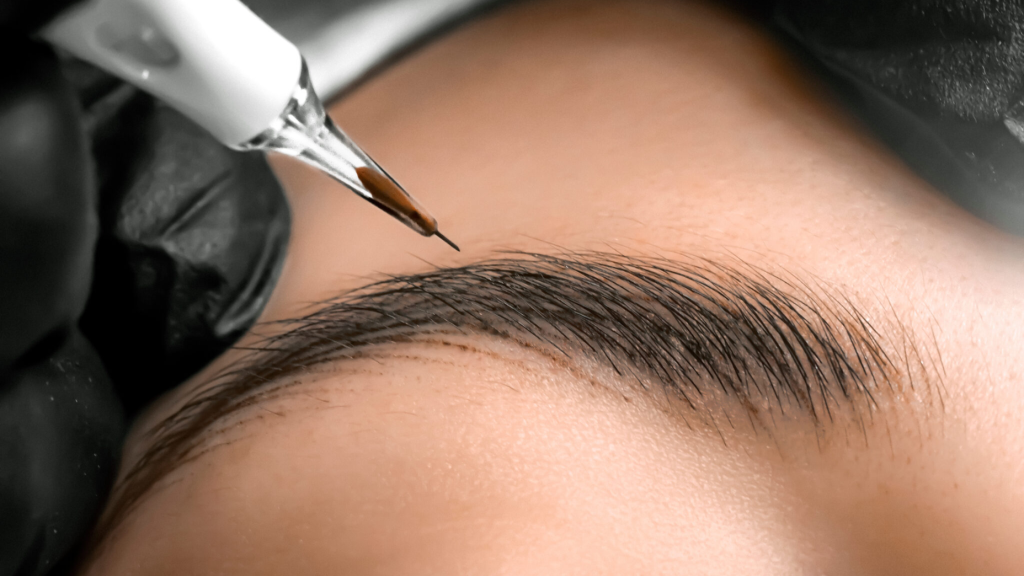
There is a quiet tension running through the permanent makeup industry right now.
Some people are waiting for things to “go back to normal.”
Others sense, instinctively, that there is no going back — only forward.
Clients are more cautious.
Artists are feeling pressure.
And the era of “easy wins” and fast entry is quietly closing.
What we are witnessing is not simply the result of inflation, slower discretionary spending, or changing beauty trends. Those forces may be present, but they are not the root cause.
The PMU industry is undergoing a market correction — a natural, predictable phase that occurs when growth outpaces structure.
Correction does not mean collapse.
Correction means maturity.
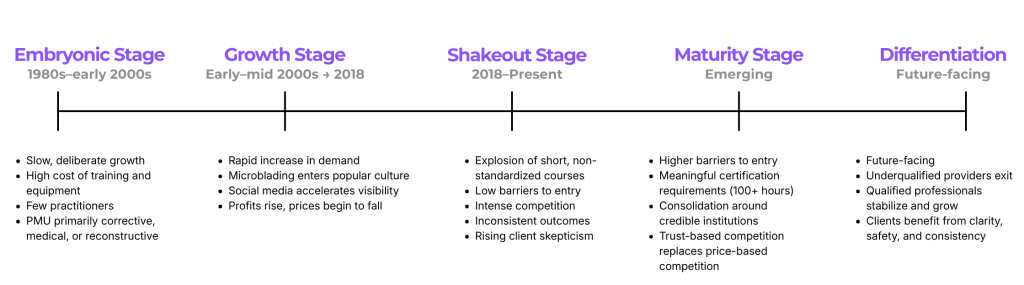
A Timeline of the PMU Industry: How We Got Here
Permanent makeup, in its modern form, began entering mainstream cosmetic and dermatologic practice in the late 20th century. Early adoption was slow, technical, and highly specialized. Training was limited, tools were primitive by today’s standards, and practitioners were few.
As pigments improved, machines became more precise, and results became softer and more natural, PMU entered a period of rapid growth. By the mid-to-late 2010s, microblading and cosmetic tattooing became widely visible through social media, celebrity influence, and consumer demand.
That visibility created opportunity — and it also created pressure.
Demand surged faster than the industry’s ability to regulate itself. Education fragmented. Titles multiplied. Training pathways shortened. In many regions, artists could legally enter practice with minimal oversight, minimal hours, and minimal accountability.
What followed was predictable.
Modern permanent makeup entered mainstream practice through medical, corrective, and reconstructive applications. Early practitioners were few, highly trained, and conservative in approach. Tools were limited, results were subtle, and the barrier to entry was high.
PMU was not fast — but it was deliberate.
Skill was scarce.
Expectations were high.
Reputation mattered.
As pigments improved and machines became more precise, cosmetic applications expanded. Demand grew steadily, though regulation and education remained inconsistent and largely localized.
The industry was evolving — but infrastructure lagged behind innovation.
Microblading brought PMU into mainstream beauty culture. Social media amplified results instantly, and consumer demand surged. For the first time, permanent makeup became widely accessible, aspirational, and profitable.
Visibility expanded faster than standards.
This phase created enormous opportunity — and laid the groundwork for future strain.
As demand accelerated, training pathways shortened. Two-day and three-day intensive courses became normalized. Certifications multiplied without standardization. Entry barriers dropped dramatically.
This period is often remembered nostalgically — but economically, it was the Wild West era.
Growth outpaced oversight.
Education fragmented.
Outcomes became inconsistent.
This wasn’t driven by bad intentions — it was driven by speed.
With rapid entry came saturation. Inconsistent results became more visible. Online misinformation spread. Clients encountered both exceptional work and preventable harm — often without the ability to tell the difference in advance.
Trust began to erode.
Artists felt pressure to compete on price.
Clients felt unsure who to trust.
The industry began to feel unstable.
This was not decline — it was selection beginning.
We are now firmly in a shakeout phase.
Clients are asking better questions.
Healed results matter more than fresh photos.
Sanitation, screening, and documentation are no longer optional talking points — they are non-negotiable.
Regulators and public health agencies are paying closer attention. Ethical professionals are differentiating themselves from shortcuts. Under-qualified providers are finding it harder to compete.
The market is not shrinking.
It is refining.
The “Wild West” Era: When Growth Outpaced Structure
For a time, talent was enough.
Visibility was enough.
Marketing was enough.
Two-day and three-day intensive courses became normalized. Students were promised rapid transformation into “certified” professionals, often without sufficient supervised practice, foundational theory, or long-term support.
This was rarely driven by malice.
It was driven by speed.
But when growth outpaces standards, three things happen simultaneously:
- Quality becomes inconsistent
- Client outcomes become unpredictable
- Trust begins to erode
At first, the erosion is subtle. A few bad experiences. A few horror stories dismissed as outliers. A few quiet doubts from clients who “just don’t feel sure anymore.”
Then it accelerates.
Similar patterns have already triggered tighter oversight in adjacent fields such as body art and cosmetic tattooing in multiple jurisdictions.
How the PMU Industry Fits the Industry Life-Cycle Model
To understand what’s happening now, it helps to zoom out. The permanent makeup industry follows the same economic life-cycle seen in other professional, service-based fields. Periods of rapid growth are often followed by market correction — not because demand disappears, but because standards lag behind expansion.
The graphic below shows where the PMU industry has been, where it is now, and where it is heading next.
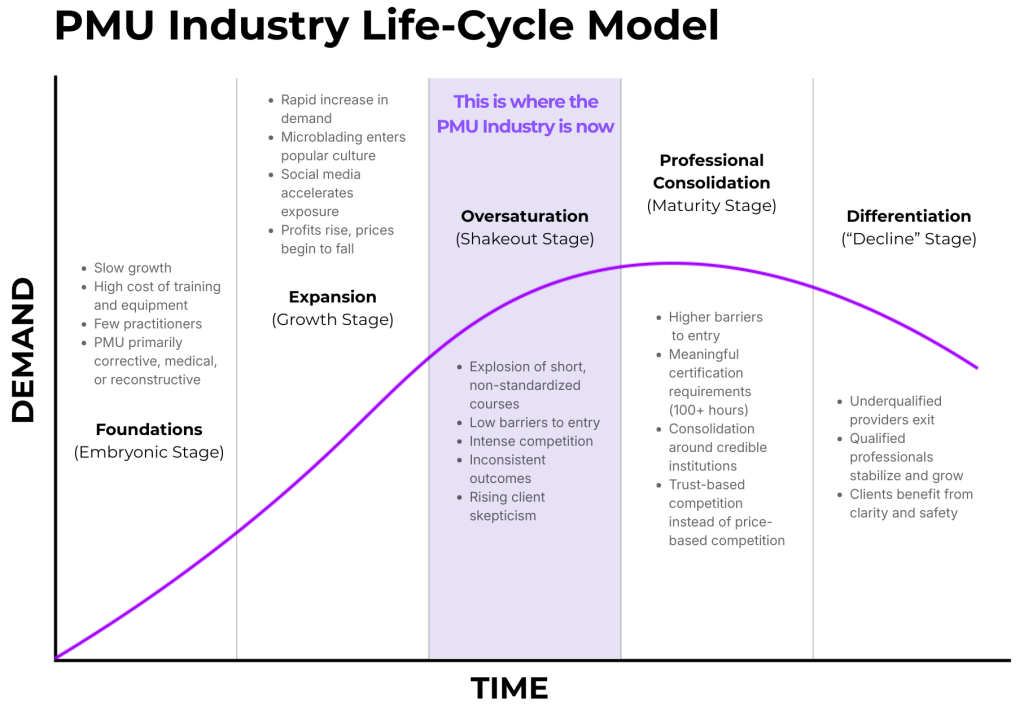
The PMU industry is currently in a market “shakeout” phase — a natural correction where oversaturation gives way to higher standards, professional consolidation, and long-term stability.
Key takeaway: Market correction does not mean fewer clients. It means fewer shortcuts — and more clarity, safety, and trust for everyone involved.
The Snowball Effect: How Markets Correct
Industries do not collapse overnight. They snowball.
Rapid entry lowers the barrier.
Lower barriers increase volume.
Higher volume exposes inconsistency.
Inconsistency creates skepticism.
Skepticism produces discernment.
That discernment is what we are seeing now.
Clients are no longer impressed by titles alone.
They are asking better questions.
They are looking for healed results, not filters and photoshop.
They are noticing the difference between confidence and competence.
And once clients become discerning, the market changes permanently.
Understanding the Correction: This Is How Industries Mature
Economically, the permanent makeup industry follows the same life-cycle seen in other professional services:
- Early growth
- Rapid expansion
- Oversaturation
- Market correction
- Professional consolidation
- In service-based, medical-adjacent fields, there is no universal “decline.” Instead, what declines is the low-standard segment — while the professional segment stabilizes and strengthens.
This is how credibility is built.
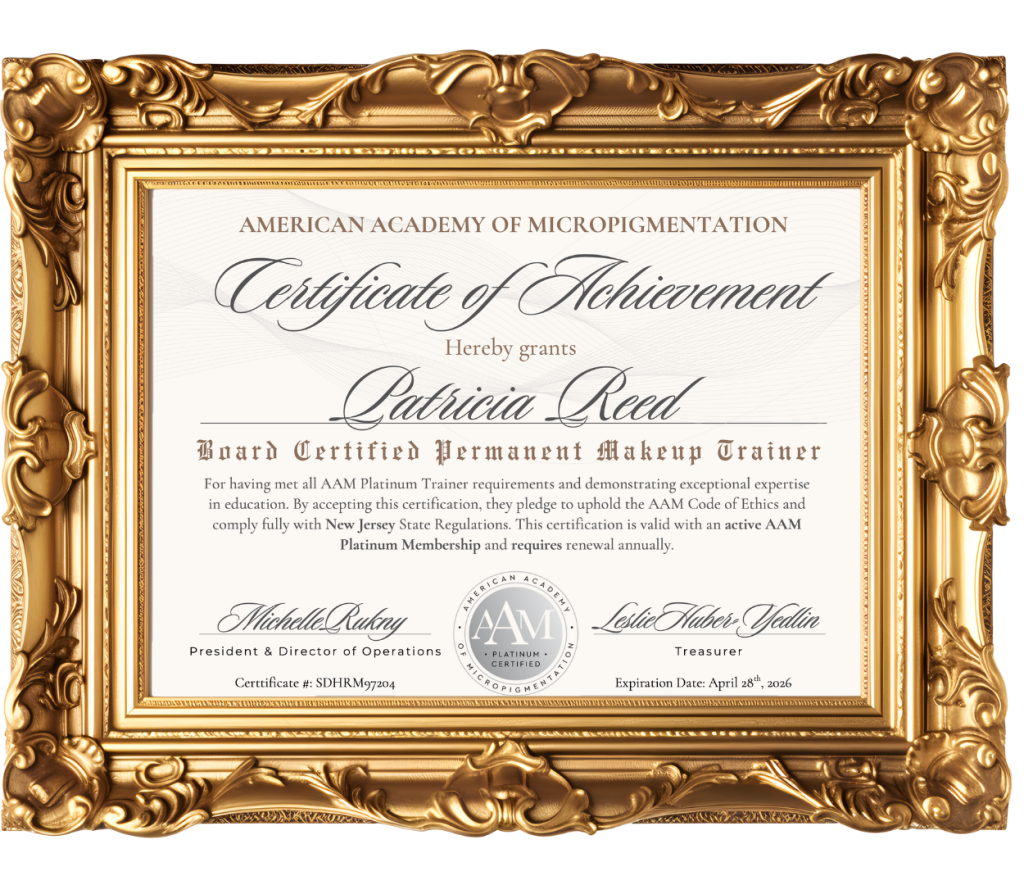
Why a 100-Hour Minimum Standard Is Emerging as the Baseline
In a maturing industry, minimum standards always rise.
Not to exclude — but to protect.
A minimum 100-hour certification is not arbitrary. It reflects the reality that permanent makeup sits at the intersection of:
- Skin anatomy
- Color science
- Infection control
- Contraindications and risk assessment
- Machine mechanics
- Long-term pigment behavior
- Ethical client decision-making
These are not concepts that can be mastered in a weekend.
Undereducated, underqualified practitioners will find it increasingly difficult to compete — not because they are being “pushed out,” but because the client has evolved.
This is not gatekeeping.
This is professionalization.
What This Correction Makes Possible
When standards rise, everything stabilizes.
Education becomes meaningful instead of performative.
Certification signals real competency instead of marketing language.
Artists build sustainable careers instead of chasing volume.
Clients regain trust.
This is the era where PMU becomes:
- More credible
- More respected
- More aligned with medical-adjacent professionalism
- More resilient to public scrutiny and regulatory attention
In this version of the industry, excellence is not loud — it is consistent.
What Happens If the PMU Industry Resists Regulation
If the industry clings to the past — if it resists structure in favor of speed — the consequences are not theoretical.
They are already visible.
More adverse outcomes.
More public distrust.
More viral misinformation.
More external regulation imposed without industry input.
More ethical professionals paying the price for others’ shortcuts.
History shows us that industries that fail to self-regulate eventually lose the privilege of autonomy.
Integrity is not restrictive.
It is protective.
This Is the Standard Era
The discomfort many feel right now is not a sign the industry is dying.
It is a sign it is growing up.
Market correction separates popularity from principle.
It rewards those who invested in education, ethics, and longevity — and quietly removes those who did not.
There is no return to the “old days.”
There is only forward.
The next decade of permanent makeup will not be built on visibility alone. It will be built on traceable education, documented competency, and public trust.
Conclusion: Choose Your Side of the Correction
The permanent makeup industry is becoming more professional, more credible, and more accountable — whether individuals are ready or not.
Those who adapt will lead.
Those who resist will fade.
The question is no longer whether standards will rise —
but who will rise with them.
If you welcome this change, you are not alone.
You are early — and you are needed.
👉 Explore AAM certification and the standards shaping the future of professional permanent makeup.