Microblading vs Nano Brows vs Powder Brows: What’s the Difference? (2025 Guide)
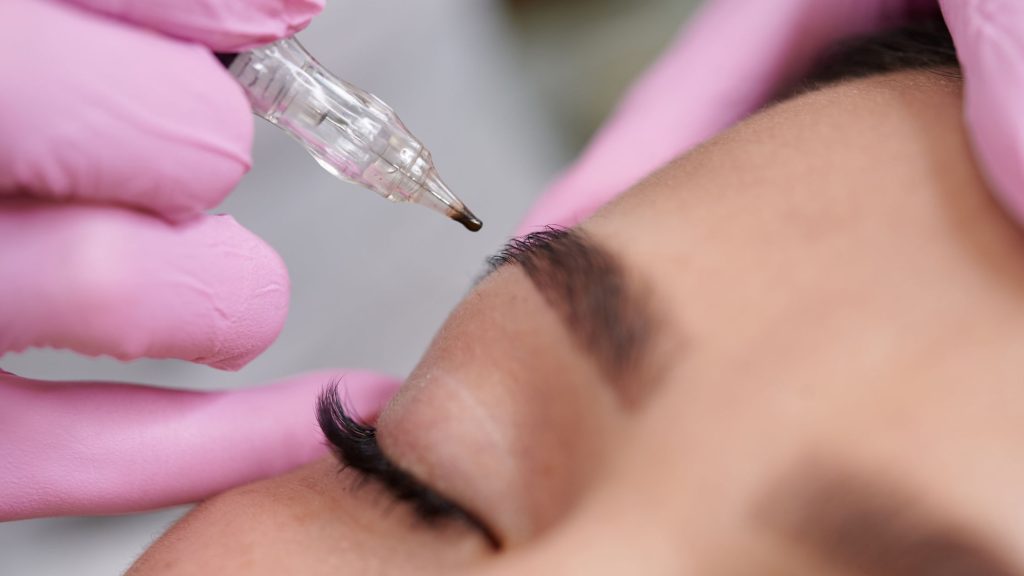
Why the “Best” Technique Depends on Skin — Not Trends**
The permanent makeup industry is changing.
Clients are more informed.
Artists are more discerning.
And the market is moving away from shortcuts and hype toward something more sustainable: standards, education, and accountability.
This shift matters when it comes to brows.
Microblading, nano brows, and powder brows are often presented as interchangeable styles — or worse, as trends. In reality, they are fundamentally different techniques, each interacting with the skin in distinct ways.
There is no single “best” brow technique.
There is only the right technique for the right skin, applied with proper training and ethical decision-making.
That distinction is part of what defines the Standard Era of permanent makeup.
Microblading: Manual Hair Strokes
What it is
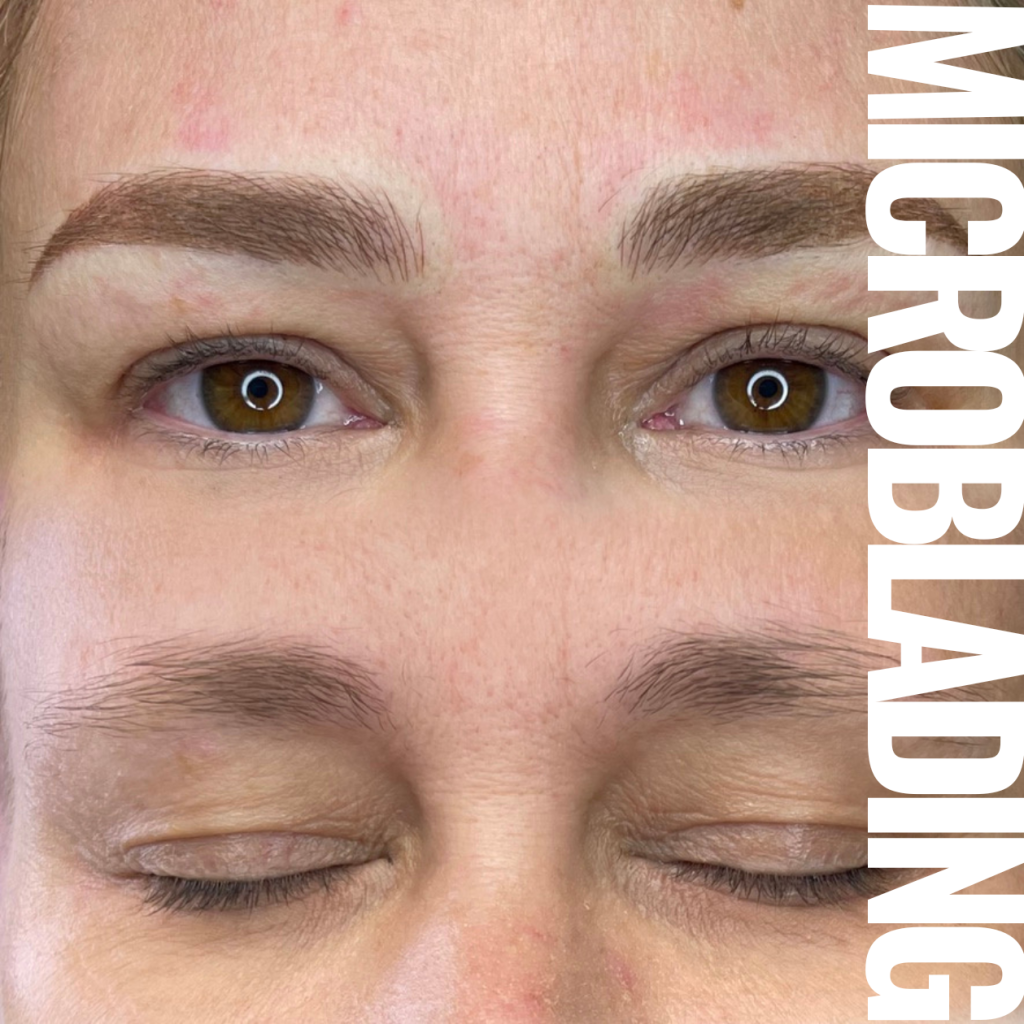
Microblading is a manual technique that uses a handheld tool to create fine, hair-like strokes in the upper dermis. Each stroke is individually etched into the skin to mimic natural brow hairs.
Why it gained popularity
When done on ideal candidates, microblading can look extremely natural when fresh. The crisp, hair-by-hair appearance helped bring PMU into the mainstream and introduced many clients to cosmetic tattooing for the first time.
Limitations to understand
Microblading relies heavily on skin quality. On oily, textured, or mature skin, those fine strokes often blur as they heal. Repeated microblading over time can also contribute to scar tissue if the skin is overworked.
Best suited for
Clients with normal to dry, youthful skin who want very soft, subtle definition and understand that results may require more frequent refreshing.
Nano Brows: Machine Hair Strokes
What it is
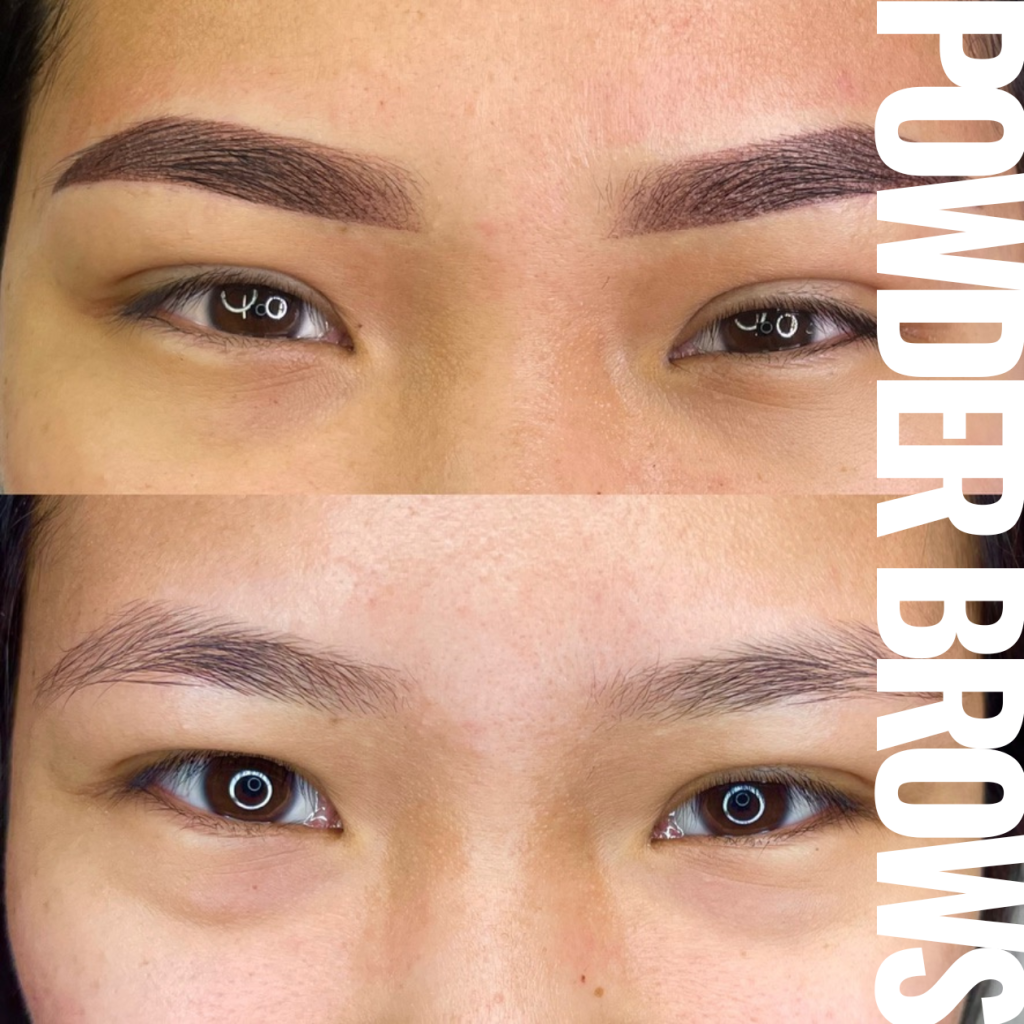
Powder brows use a PMU machine to deposit pigment in tiny pixels, creating a soft, shaded makeup effect rather than individual hair strokes. The intensity can range from very subtle to more defined and structured.
Why powder brows are considered the most consistent
Because pigment is distributed evenly rather than etched into fine lines, powder brows tend to heal more predictably across a wide range of skin types. This technique creates minimal trauma and offers the longest-lasting results.
What to know
Powder brows don’t create the illusion of individual hairs, which some clients prefer. However, the trade-off is consistency, longevity, and suitability for nearly all skin types.
Best suited for
Clients who want defined, long-lasting color, especially those with oily, textured, or mature skin.
Powder Brows (Ombré Brows): Soft Pixel Shading
What it is
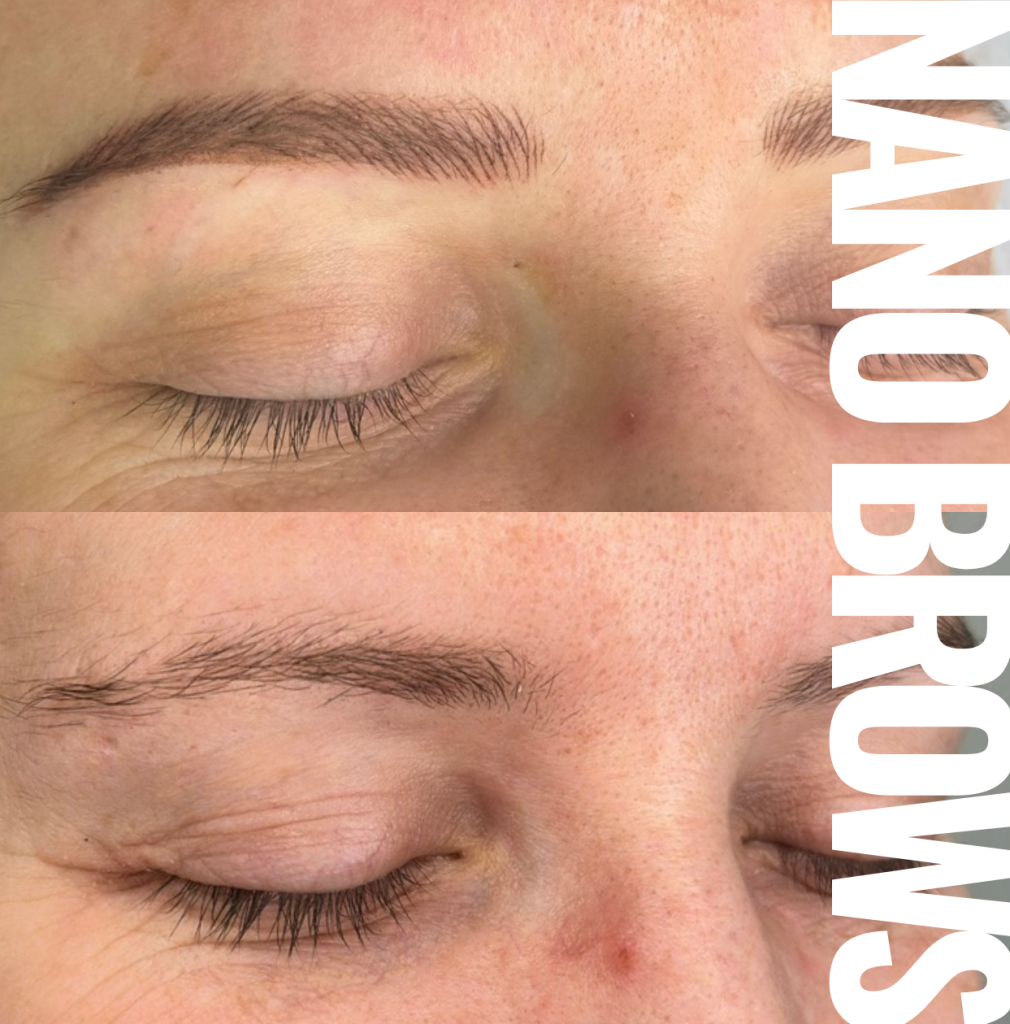
Nano brows use a PMU machine and a single, ultra-fine needle to create hair-like strokes with more precision and control than a manual tool.
Why artists are shifting toward nano
Machine-based strokes typically cause less trauma to the skin. When performed correctly, nano brows heal more consistently and tend to last longer than microblading, while still offering a natural, hair-stroke appearance.
Important considerations
Nano brows require advanced training, depth control, and technical skill. Because the strokes are implanted by machine, results depend heavily on the artist’s education and understanding of skin behavior.
Best suited for
Clients who want natural-looking brows with better longevity and a gentler approach to the skin, including those with thinner or more mature skin.
Technique Comparison at a Glance
| Technique | Appearance | Longevity | Best For |
|---|---|---|---|
| Microblading | Most natural when fresh | Shortest | Dry/normal youthful skin |
| Nano Brows | Natural hair strokes | Medium | Most skin types |
| Powder Brows | Soft makeup effect | Longest | All skin types, especially oily or mature |
For Artists: Technique Should Follow Biology, Not Preference
In a maturing industry, ethical practice means choosing techniques based on how skin behaves, not on trends or personal preference.
A simplified decision guide:
Oily skin → Powder brows
Mature skin → Nano or powder brows
Very sensitive skin → Nano brows
Clients wanting texture → Nano first; microblading only if ideal candidate
Clients wanting longevity → Powder brows
This is where training, standards, and accountability matter most. Technique selection is not a style choice — it’s a professional responsibility.
For Clients: Questions Worth Asking
Before booking any brow procedure, clients should feel empowered to ask:
Which technique is best for my skin type?
How will this look once it’s healed — not just today?
How many passes do you typically perform?
Can I see healed results of this technique?
Will the result be soft and natural, or more defined?
If only one technique is offered without explanation, it’s reasonable to ask why. A well-trained professional should be able to guide you through options, not steer you toward a single solution.
Conclusion: The Best Technique Is the One Chosen With Integrity
In short:
There is no universal “best” brow technique — only the technique that aligns with your skin, your goals, and long-term results.
Key takeaways:
• Microblading can look natural but is not suitable for all skin types
• Nano brows offer realism with improved longevity
• Powder brows are the most consistent and long-lasting
• Skin biology matters more than trends
As the PMU industry matures, clarity replaces hype.
Standards replace shortcuts.
And integrity becomes the differentiator.
Which brow technique are you curious about — microblading, nano, or powder?
Share your questions below.